Cart
0

Great batting doesn’t start with flashy shots—it starts with comfort. When a batter feels settled at the crease, the bat becomes an extension of the hands, movements feel natural, and control comes effortlessly. That ease is what separates confident stroke-makers from players who look rushed or tense.
While practice and skill are essential, comfort and control are shaped by several subtle but powerful factors. One of the most influential among them is the cricket bat grip, yet it works best when supported by the right balance, technique, and feel.
Let’s break down what truly makes batting smooth, controlled, and reliable.
The Role of Grip Comfort in Bat Control
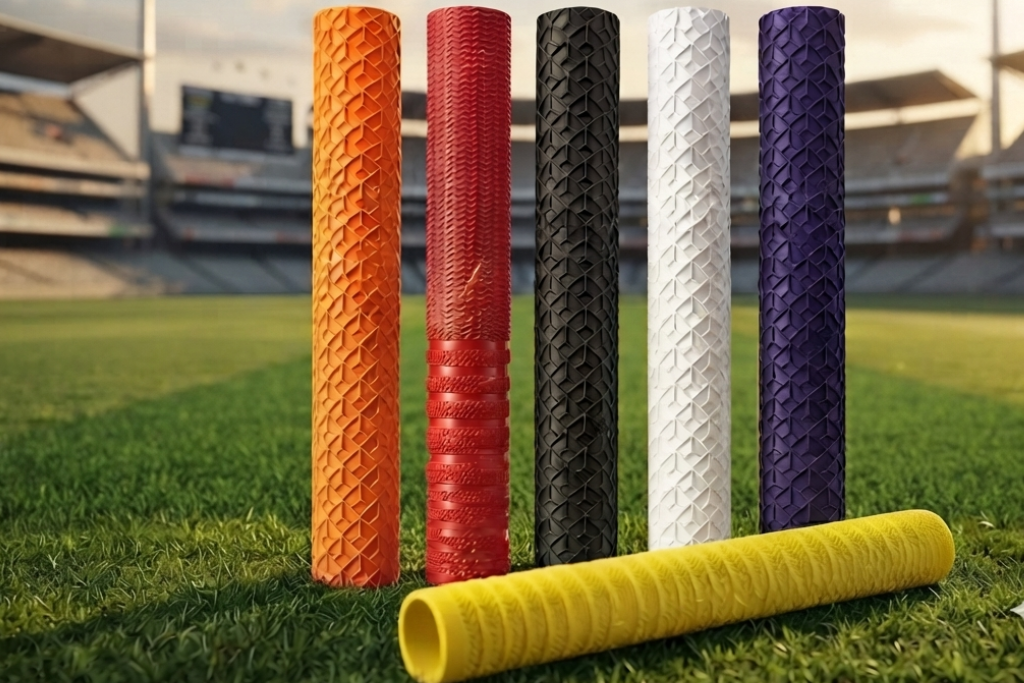
The grip is where every shot begins. If the grip feels awkward, too hard, or slippery, the hands constantly fight the bat instead of guiding it. A well-designed cricket bat grip improves hand connection and reduces vibration (shock felt in the hands after impact).
The right grip thickness allows a batter to hold the bat firmly without squeezing too hard. This relaxed control improves timing, helps shots flow, and reduces hand fatigue during longer innings.
Balance That Feels Right From the First Pick-Up
Bat balance directly affects how comfortable a batter feels. A balanced bat offers an easy pick-up (how light the bat feels when lifted), allowing quicker reactions and smoother swings.
When balance works in harmony with the grip, the bat moves naturally through the air. This improves bat swing (the path the bat follows while playing a shot) and gives the batter greater command over placement and timing.
Handle Shape and Shock Absorption
Handle shape influences how confidently a batter controls the blade. Oval handles help with blade alignment (knowing the bat face position), while round handles encourage freer wrist movement.
Flexibility in the handle absorbs impact shock, especially against faster bowling. When paired with a quality cricket bat grip, this reduces vibration and builds trust in the bat—even on imperfect shots.
Wrist Freedom and Shot Versatility
Modern batting relies heavily on wrist work.The ability to move wrists smoothly during a shot) allows late adjustments, softer touches, and creative shot-making.
A grip that restricts wrist movement limits scoring options. The right grip texture and firmness support controlled wrist action, giving batters confidence to play both defensive and attacking shots with precision.
Vibration Control and Bat Feel
Every batter values a good bat feel—the clear, comfortable feedback felt at impact. Excessive vibration disrupts this feedback and can affect confidence over time.
High-quality grips cushion the hands and minimize shock, especially on mishits. Better vibration control means better awareness of contact, helping batters adjust timing and technique naturally.
Comfort in Different Playing Conditions
Conditions matter more than most players realize. Heat, humidity, and sweat can reduce grip stability during long spells at the crease.
A cricket bat grip with moisture-resistant texture maintains control even when hands are sweaty. This consistency becomes crucial during extended innings or high-pressure situations where small slips can cost big runs.
Grip Pressure and Personal Batting Style
Every batter has a unique approach. Some prefer finesse and timing, others rely on power. Grip pressure (how tightly the bat is held) should match individual style.
Over-gripping restricts movement and timing, while a relaxed hold improves control. The right grip supports natural pressure levels, allowing batters to focus on shot execution rather than hand discomfort.
A Simple Upgrade That Makes a Real Difference
For players aiming to refine their game, upgrading to a premium cricket bat grip is one of the smartest improvements. Professionally crafted grips are designed to enhance comfort, reduce vibration, and support natural wrist movement. It’s a small change that delivers noticeable gains in control, confidence, and consistency—especially for players who bat regularly.
Where Comfort Turns Into Confidence
Controlled batting is not about forcing technique—it’s about feeling at ease. When the hands are comfortable, the mind stays calm, and decision making improves automatically.
By paying attention to details like the cricket bat grip, balance, handle feel, and personal comfort, batters create an environment where performance flows naturally. When comfort is consistent, control follows—and confident batting becomes second nature.
Frequently Asked Questions (FAQs)
1. How does a cricket bat grip affect batting performance?
Ans- A cricket bat grip directly influences comfort, control, and confidence. It reduces vibration (impact shock felt in the hands), improves hand connection with the bat, and allows better wrist movement, which leads to cleaner timing and improved shot control.
2. What grip thickness is best for comfortable batting?
Ans- There is no one-size-fits-all thickness. A grip that is too thick can restrict wrist movement, while a very thin grip may cause over-gripping (holding the bat too tightly). The ideal thickness allows a relaxed hold while still feeling secure during impact.
3. How often should a cricket bat grip be replaced?
Ans- A grip should be replaced when it feels slippery, hard, or uneven. For regular players, this may be every few months, depending on usage and playing conditions. A worn-out grip reduces control and increases hand fatigue.
Does grip texture really matter?
Ans- Yes. Grip texture affects how well the bat stays in the hands, especially in hot or humid conditions. Textured grips provide better sweat control and prevent slipping, helping maintain consistent bat control during long innings.
Can a good grip reduce vibration and hand pain?
Ans- Absolutely. High-quality grips are designed to absorb shock and minimize vibration. This reduces discomfort on mistimed shots and helps prevent hand strain, especially against fast bowling.